Sacred Valley Peru: Things to Do, Itinerary and How to Visit
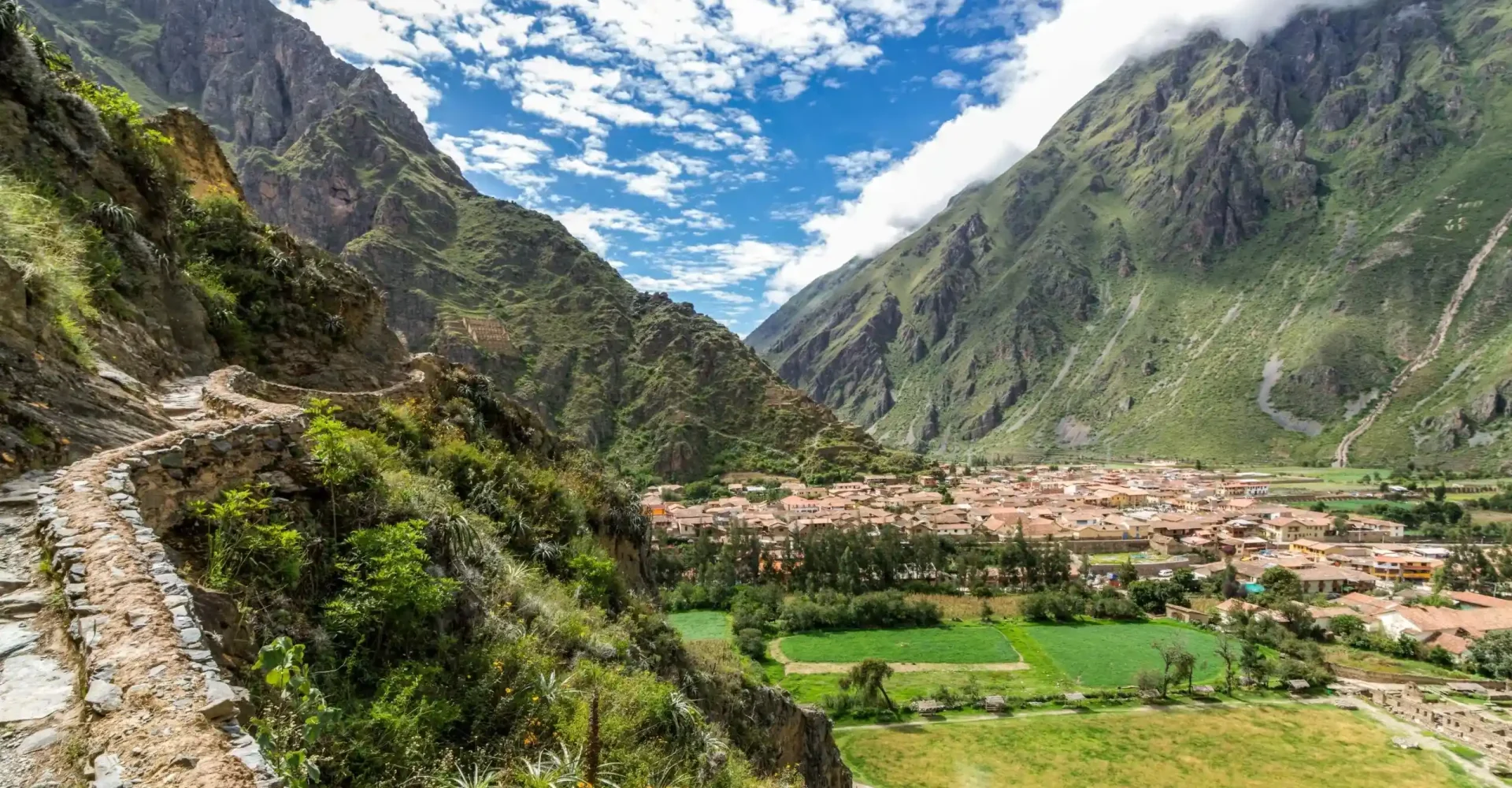
The Sacred Valley of the Incas is the valley of the Urubamba (Vilcanota) River between Cusco and Machu Picchu, and it packs Inca ruins, living villages and craft markets into a day trip or a relaxed two days. The best things to do in the Sacred Valley are Pisac, Ollantaytambo, Chinchero, Moray and the Maras salt pans.
Quick summary
- The valley sits at roughly 9,200 to 9,500 ft (2,800 to 2,900 m), lower than Cusco at about 11,200 ft (3,400 m).
- Main stops: Pisac, Ollantaytambo, Chinchero, Moray and the Maras salt pans.
- You can do it in 1 day, but 2 days feels much less rushed.
- It is a good place to acclimatize during your first days in Peru.
- Ollantaytambo is the train station for Machu Picchu.
What is the Sacred Valley of the Incas
It is a strip of fertile land along the Urubamba River with a milder climate than Cusco. The Incas grew corn and other crops here and left behind farming terraces, fortresses and towns that are still standing. Today you will find ruins, inhabited villages, colonial churches and artisan markets side by side.
Why start your trip in the Sacred Valley
Because the valley is lower than Cusco, many travelers sleep here first to adjust to the altitude before heading up to the city. If that matters to you, read our guide to Machu Picchu elevation and altitude sickness.
Top attractions in the Sacred Valley
Pisac
An archaeological site with farming terraces carved into the mountainside. Near the village there is a craft market, a good place for textiles and souvenirs.
Ollantaytambo
One of the few Inca towns still inhabited, with original stone streets and a fortress with huge terraces. It is also where trains leave for Machu Picchu, at about 9,150 ft (2,790 m).
Chinchero
A village known for traditional weaving. A colonial church stands on Inca foundations, and local weavers show how wool is dyed with natural colors.
Moray
Circular terraces sunk into the ground, used by the Incas as an agricultural laboratory to test crops at different levels. It is one of the most photographed views in the valley.
Maras salt pans
Hundreds of small salt pools on the hillside, fed by a salty spring. Most visits combine them with Moray. For both stops at an easy pace, try the Maras and Moray by bus tour, from US$ 40.
Urubamba
A town with plenty of hotels and restaurants, a handy base if you want more than one night in the valley.
How much time to plan at each stop
| Place | What to see | Suggested time |
|---|---|---|
| Pisac | Terraces and market | 2 to 3 hours |
| Ollantaytambo | Fortress and village | 2 to 3 hours |
| Chinchero | Weaving and church | 1 to 2 hours |
| Moray | Circular terraces | about 1 hour |
| Maras salt pans | Salt pools | about 1 hour |
| Urubamba | Base and dining | a meal or a night |
These are planning estimates. Real times depend on your group’s pace and traffic.
Tickets: the Cusco Tourist Ticket
The Cusco Tourist Ticket (Boleto Turistico) covers several valley sites, including Pisac, Ollantaytambo, Chinchero and Moray. The Maras salt pans charge a separate entrance. With Mit Viajes tours you can confirm at booking what each trip includes.
How to visit the Sacred Valley
- Classic 1-day tour: covers the main sites in one day. See the Classic Inca Sacred Valley 1 day tour, from US$ 40.
- VIP tour: a more comfortable option, the Sacred Valley VIP 1 day, from US$ 49.
- Combined with Machu Picchu: the Machu Picchu + Sacred Valley 2 Days 1 Night starts at US$ 350.
- On your own: possible, but you need to arrange transport between the villages.
Suggested 2-day itinerary
- Day 1: Pisac in the morning, lunch in the valley and Ollantaytambo in the afternoon, then sleep in Ollantaytambo or Urubamba.
- Day 2: Chinchero, Moray and the Maras salt pans, or an early train to Machu Picchu from Ollantaytambo.
To see how that connection works, read our guide to the train to Machu Picchu and the options for getting to Machu Picchu.
When to visit the Sacred Valley
The dry season, from April to October, usually brings more clear days and is the most popular time. In the rainy season, from November to March, the landscape is very green, but rain can disrupt tours and dirt roads get harder to travel. Mornings and evenings are cool in any month, so pack layers.
Tips to make the most of your visit
- Start early: the sites are quieter and the light is better for photos.
- Wear comfortable shoes, since there are stairs and uneven terraces.
- Carry some Peruvian soles for small purchases at the markets.
- Drink water often, especially if you come straight from Cusco.
Where to stay and practical tips
Sleeping in Ollantaytambo or Urubamba makes an early train easy and saves you a trip back to Cusco. To compare bases, read where to stay near Machu Picchu. Bring sunscreen, a hat, a light jacket for the evening and water. If you are continuing to Machu Picchu, book that leg well in advance.
Frequently asked questions
How many days do you need in the Sacred Valley?
One day lets you see the highlights, but two days is less rushed, especially if you want to include Moray and Maras.
Is the Sacred Valley higher or lower than Cusco?
Lower. The valley sits around 9,200 to 9,500 ft (2,800 to 2,900 m), while Cusco is at about 11,200 ft (3,400 m).
Is it worth sleeping in the Sacred Valley?
Yes, especially to acclimatize or to catch the Machu Picchu train from Ollantaytambo the next morning.
Does the Cusco Tourist Ticket cover every attraction?
It covers several sites, such as Pisac, Ollantaytambo, Chinchero and Moray. The Maras salt pans have a separate entrance.
Can I combine the Sacred Valley with Machu Picchu?
Yes. Many travelers see the valley in a day and sleep in Ollantaytambo or Urubamba before taking the train.
Ready to plan it? Take a look at the classic Sacred Valley tour or ask Mit Viajes to build an itinerary that includes Machu Picchu.