Things to Do in Cusco: Complete Guide to Attractions and Tours
The best things to do in Cusco are walking the Inca and colonial historic center, visiting the ruins above the city, and booking at least one day trip such as the Sacred Valley or Rainbow Mountain. Cusco was the capital of the Inca Empire, sits at about 11,150 ft (3,400 m), and is the base for almost everything you will want to see in southern Peru, including Machu Picchu.
Quick summary
- Cusco’s historic center is a UNESCO World Heritage Site (1983) and can be covered on foot in one day.
- Sacsayhuaman, Q’enqo, Puka Pukara and Tambomachay sit on the hill above town.
- Top day trips are the Sacred Valley, Rainbow Mountain, Humantay Lake, and Maras and Moray.
- Plan 1 to 2 days to acclimatize before any trek or high-altitude outing.
- The dry season runs April to October; rain is heavier from November to March.
Things to do in Cusco’s historic center
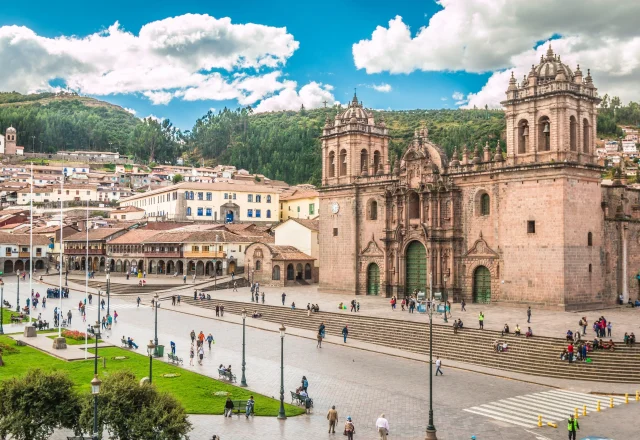
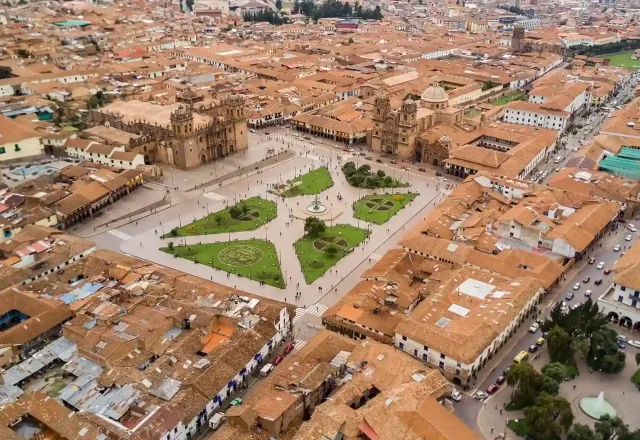
The heart of the city is the Plaza de Armas, with the Cathedral and the Church of the Society of Jesus. From there, a few minutes on foot takes you to the places that impress first-time visitors most.
- Hatun Rumiyoc Street: home to the famous Twelve-Angled Stone, a showcase of Inca stonework.
- Qorikancha: the Temple of the Sun, with the Santo Domingo convent built on top. See our Qorikancha history and visit guide.
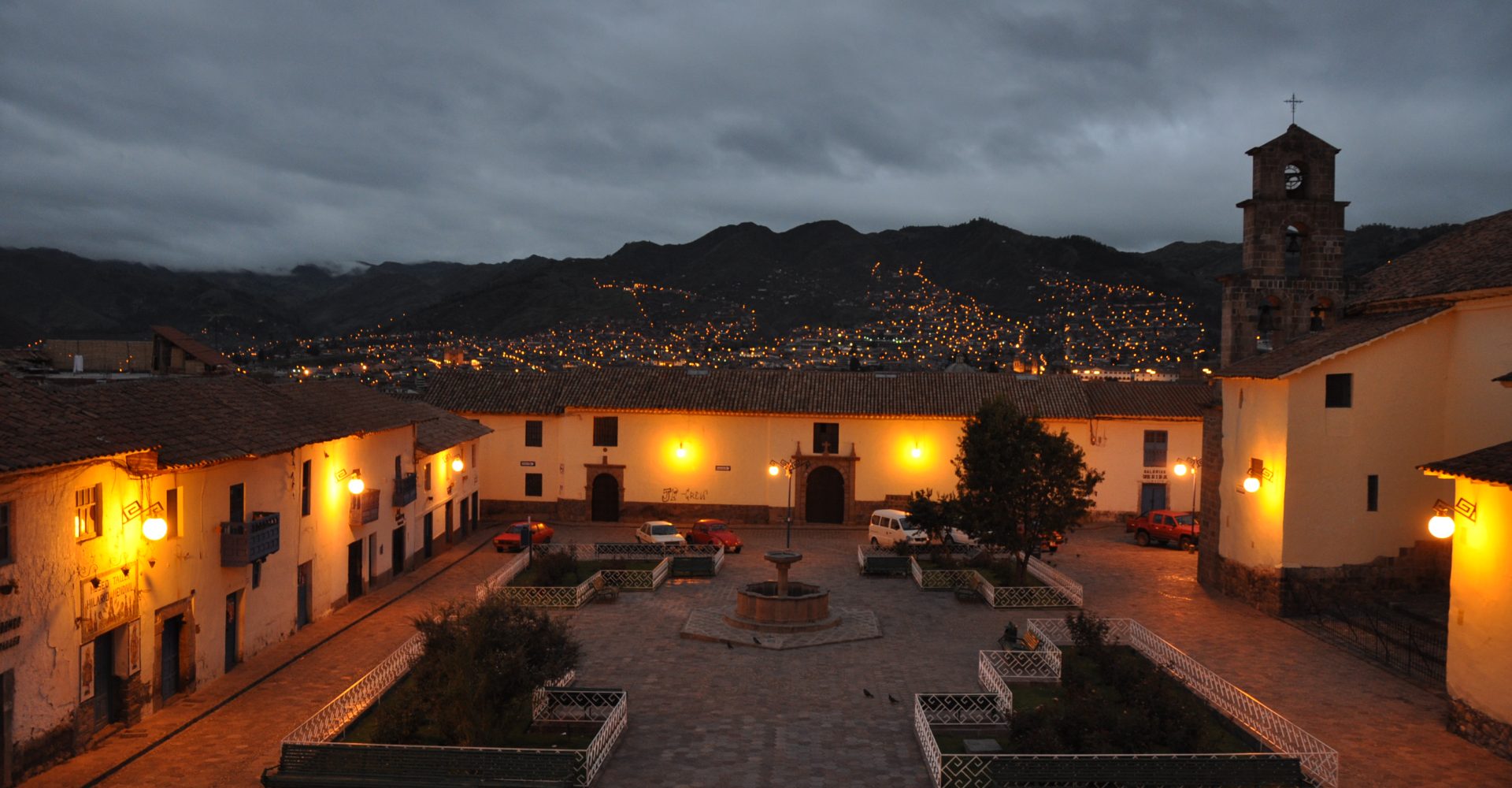
- San Blas neighborhood: artisan workshops, steep streets and good viewpoints.
- San Pedro Market: fresh juices, fruit, cheese and everyday local food.
With only one day, follow the Cusco in one day walking itinerary. For a local guide who explains each stop, the Cusco City Tour is from US$ 30.
Around Cusco: Sacsayhuaman and nearby ruins
Four sites on the hill above the city are usually visited together: Sacsayhuaman, Q’enqo, Puka Pukara and Tambomachay. Sacsayhuaman is the largest and most striking, with huge stone walls fitted together without mortar. You can walk up from the center, but the climb is steep if you have just arrived. Compare your options in how to get to Sacsayhuaman: walk, bus or taxi.
To visit several archaeological sites in the region, visitors commonly use the Cusco Tourist Ticket (Boleto Turístico del Cusco), which gives access to multiple sites. Check which sites are included before you buy, since the list can change.
Day trips from Cusco
Day trips are the easiest way to see the region without changing hotels. The table shows how demanding each one is.
| Trip | Altitude | Effort | Best for |
|---|---|---|---|
| Sacred Valley | ~9,200 ft (2,800 m) | Low | First visit, families |
| Maras and Moray | ~11,500 ft (3,500 m) | Low | Scenery and culture |
| Humantay Lake | ~13,800 ft (4,200 m) | Medium | Acclimatized hikers |
| Rainbow Mountain | ~16,400 ft (5,000 m) | High | Fit, prepared travelers |
| Waqrapukara | High | Medium to high | Avoiding crowds |
Sacred Valley
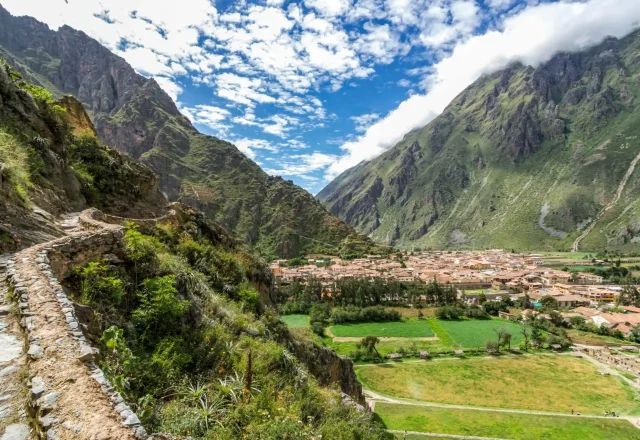
The most complete first outing: villages, markets, farming terraces and Inca sites in a lower, gentler valley. The Classic Inca Sacred Valley 1-day tour is from US$ 40.
Maras and Moray
The Maras salt pans and the circular terraces of Moray pair well with the Sacred Valley, or work as a half-day on their own. The Maras and Moray by bus tour is from US$ 40.
Humantay Lake
A turquoise lake below a glacier at about 13,800 ft (4,200 m). The pickup is before dawn and the final climb is steep. See the Humantay Lake tour from Cusco, from US$ 40.
Rainbow Mountain (Vinicunca)
At about 16,400 ft (5,000 m), it demands stamina and warm layers. Read about costs and logistics in the Rainbow Mountain Peru hike guide and pick your date with the best time to visit Rainbow Mountain. The Rainbow Mountain 1-day tour is from US$ 40.
Waqrapukara
An Inca stone fortress in a dramatic mountain setting, with far fewer visitors. Read the Waqrapukara trek guide before you decide.
Multi-day treks from Cusco
If you like to hike, Cusco is the starting point for some of South America’s best-known treks.
- Inca Trail: the historic route to Machu Picchu, with limited permits. See the Inca Trail page.
- Salkantay Trek: a high-mountain alternative. Learn about the Salkantay Trek and compare both in Salkantay vs Inca Trail.
- Choquequirao: a multi-day trek to the sacred sister of Machu Picchu. Read the Choquequirao trek guide and what we know about the Choquequirao cable car.
Festivals in Cusco: Inti Raymi
The city’s biggest celebration is Inti Raymi, the Festival of the Sun, held every June 24 at Sacsayhuaman. It is the staging of an ancient Inca ritual and draws travelers from around the world, so hotels and transport sell out early. See dates, locations and tips in the Inti Raymi festival guide.
Combining Machu Picchu and Cusco
Many travelers come to Cusco mainly for Machu Picchu, but it pays to add extra days in the city and the Sacred Valley, without rushing. The earlier you set your dates, the easier it is to line up tickets, trains and hotels. If time is short, using Cusco as a base lets you choose between 1-day trips, 2-day trips or longer itineraries, with transfers already arranged. A good rule is to leave the most demanding outings, such as Rainbow Mountain, for after the first few days, once your body has adjusted to the altitude.
Practical tips for enjoying Cusco
- Pack layers: the sun is strong by day and nights are cold.
- Wear sunscreen, sunglasses and a hat, even on cloudy days.
- Carry some cash for markets and small shops.
- Bring your passport on tours that require ID.
- Wear shoes or boots with good grip: the stone streets are uneven.
What to expect from the weather
Days in Cusco can feel warm in the sun and chilly in the shade, and temperatures drop quickly after sunset, especially from May to August. In the rainy months, mornings are often clear and showers come later in the day, so start outings early. Always pack a light rain jacket, whatever the season.
Eating and shopping
Try local dishes such as alpaca, trout, quinoa soup and corn with Andean cheese. For souvenirs, San Blas and the San Pedro Market are good places to look for textiles and ceramics, and bargaining politely is common in markets.
Best time to visit Cusco
The dry season, April to October, brings clear days and cold nights, and is best for treks and high-altitude outings. From November to March it rains: the landscape is green and crowds are smaller, but some roads and trails can be affected. If Machu Picchu is on your list, pair this planning with the Machu Picchu travel guide.
How many days in Cusco and how to acclimatize
At about 11,150 ft (3,400 m), Cusco can cause headaches, nausea and fatigue in the first days. Plan 1 to 2 days to adjust before any trek. Learn more in altitude sickness and how to prepare.
| Days | What fits |
|---|---|
| 2 to 3 days | Historic center, nearby ruins, Sacred Valley |
| 4 to 5 days | Add Machu Picchu or Rainbow Mountain |
| 6+ days | Humantay, Maras Moray and a longer trek |
On arrival, rest, drink water, eat light and avoid too many stairs. Choose a hotel with heating or oxygen available, and use our guide on where to stay in Cusco to compare neighborhoods. For a longer trip, see the Peru itinerary for 7 and 10 days.
If you want Mit Viajes to organize it all, with local guides and transfers, start with the Cusco City Tour on your first day and build the rest at your own pace.
Frequently asked questions
How many days do you need in Cusco?
Two to three days cover the historic center and nearby ruins. With the Sacred Valley and Machu Picchu, plan 4 to 6 days, including acclimatization.
What is the best time to visit Cusco?
April to October, the dry season. November to March is rainier but less crowded.
How do I avoid altitude sickness in Cusco?
Rest for 1 to 2 days, drink plenty of water, go easy on heavy meals and alcohol, and take stairs slowly. If symptoms are severe, seek medical care.
Can I visit Cusco without a guide?
The historic center, yes, on foot. For the Sacred Valley, Rainbow Mountain or Humantay, an organized tour simplifies transport and logistics.
Do I need the Cusco Tourist Ticket?
It gives access to several sites in the region. If you plan to visit more than one, check which are included and whether it makes sense for your route.