
Traditional Dances of Peru: 8 Peruvian Dances and Where to See Them
Traditional dances of Peru blend Indigenous, Spanish and African roots, and every region has its own: huayno in the Andes, marinera and festejo on the coast, the scissors dance in the southern highlands and Amazonian dances in the rainforest. In this guide by Mit Viajes, a local tour operator in Cusco, you’ll meet the 8 best-known Peruvian dances, where they come from and where to see them on your trip.
Quick summary
- Most traditional Andean dance: huayno, with pre-Columbian roots.
- Best-known coastal dance: marinera, danced in pairs with a handkerchief.
- UNESCO-listed: the scissors dance (2010) and the Feast of the Virgin of Candelaria in Puno (2014).
- Where to see them in Cusco: at local festivals, folk shows in the historic center and dinner shows.
- Best time: June (Inti Raymi), July (Paucartambo) and February (Candelaria in Puno).
The 8 best-known traditional dances of Peru
| Dance | Region | Signature |
|---|---|---|
| Huayno | Andes | Couples, footwork, quena and charango |
| Marinera | Coast (Trujillo, Lima) | Handkerchief, elegance, courtship |
| Festejo | Coast (Afro-Peruvian) | Cajón rhythm, lots of energy |
| Scissors dance | Ayacucho, Huancavelica, Apurímac | Acrobatics and metal blades |
| Peruvian waltz | Lima | Guitar, cajón and Creole songs |
| Diablada | Puno | Devil masks and costumes |
| Paucartambo dances | Cusco | Masked festival characters |
| Amazonian dances | Rainforest | Drums, flutes and nature themes |
1. Huayno, the dance of the Andes
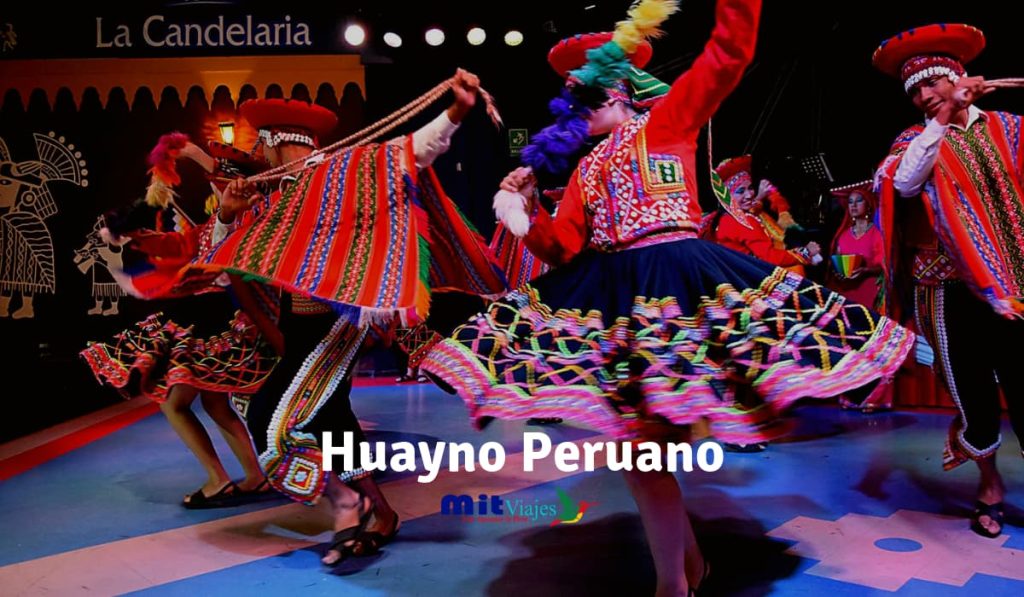
Huayno is the most representative dance of the Peruvian Andes. It dates back to pre-Columbian times and later absorbed Spanish influences, which is why there are dozens of regional versions. It’s danced in pairs with little physical contact and ends with energetic footwork that marks the beat.
The music features Andean instruments such as the quena (flute), the siku (panpipe) and the charango (a small stringed instrument), plus harp, violin and guitar. In Cusco you’ll hear huayno at neighborhood festivals, in markets and at every village celebration.
2. Marinera, Peru’s most elegant dance
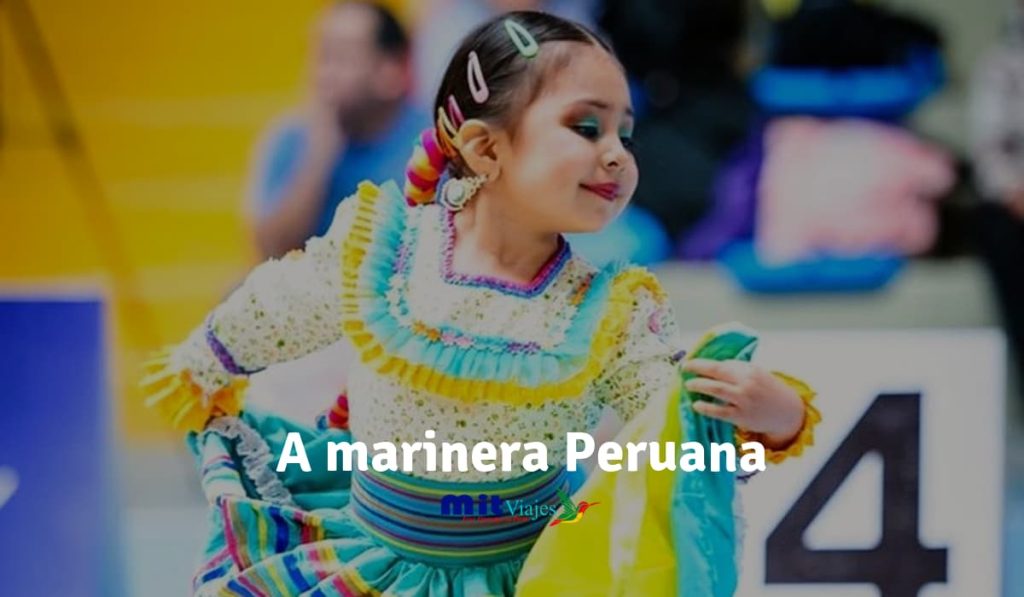
Marinera is a couples dance that portrays courtship. The man and woman circle each other, move forward and back, and wave a handkerchief that floats through the air like a bird. The best-known version is the marinera norteña from northern Peru, where the woman often dances barefoot.
The city of Trujillo is considered the capital of marinera and hosts a major national contest every year. In Lima and other cities, it’s common to see children learning the dance at school and in dance academies.
3. Festejo, the Afro-Peruvian rhythm
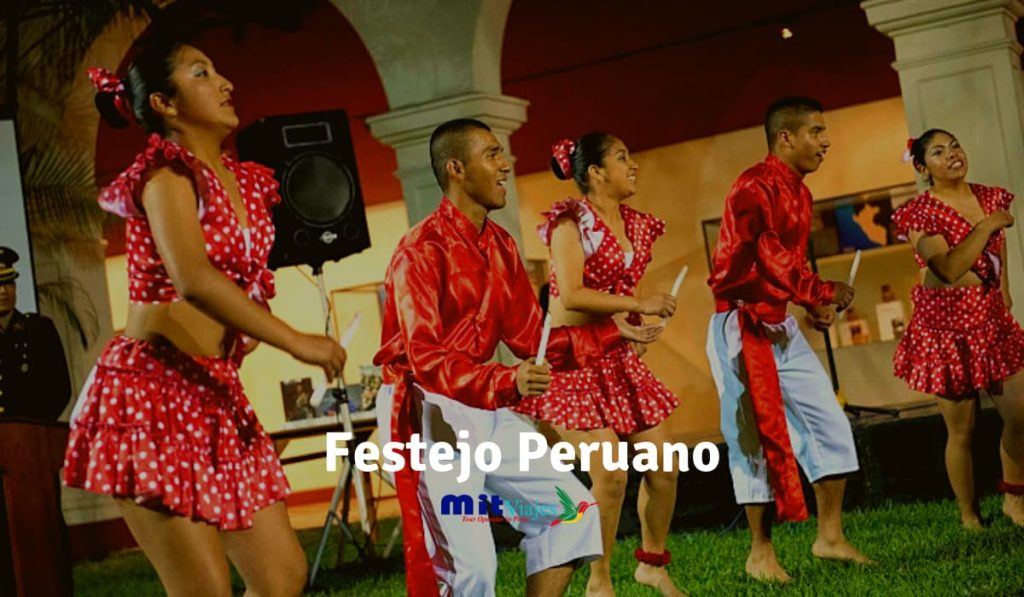
Festejo was born in the Afro-descendant communities of Peru’s coast, brought to the country during colonial times. It’s a fast, joyful dance with hip movements and lots of energy, played on the cajón, the box drum that became a symbol of Peruvian music. Chincha, south of Lima, is the region most associated with Afro-Peruvian culture.
4. The scissors dance
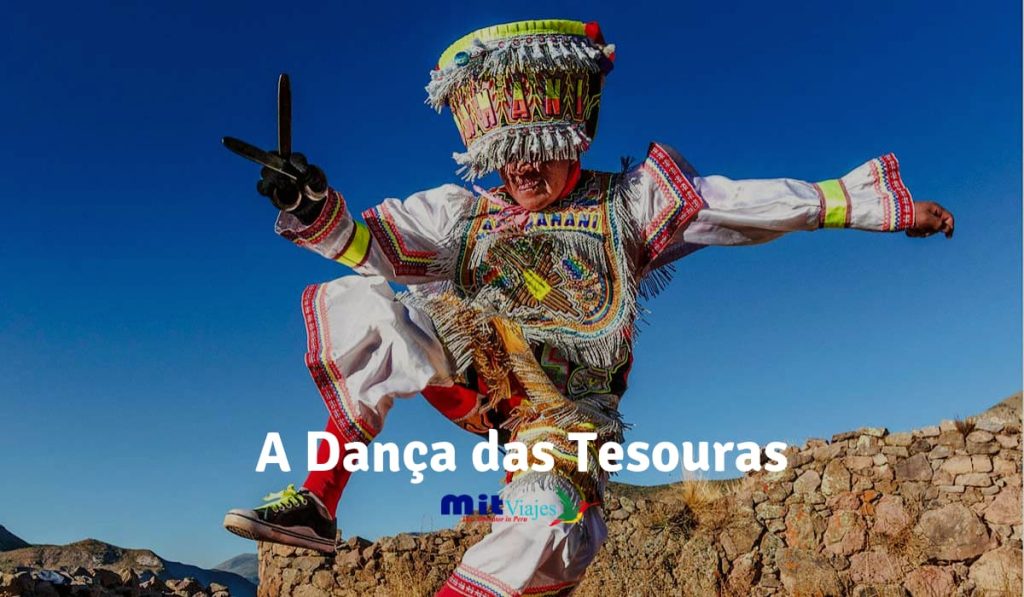
The scissors dance comes from the mountains of south-central Peru (Ayacucho, Huancavelica and Apurímac) and is one of the most striking dances of the Andes. The dancers, called danzaq, perform leaps and acrobatics while clicking two metal blades in one hand, to the sound of violin and harp. It often turns into a contest between two dancers. In 2010 UNESCO added it to the list of the Intangible Cultural Heritage of Humanity.
5. Peruvian waltz (vals criollo)
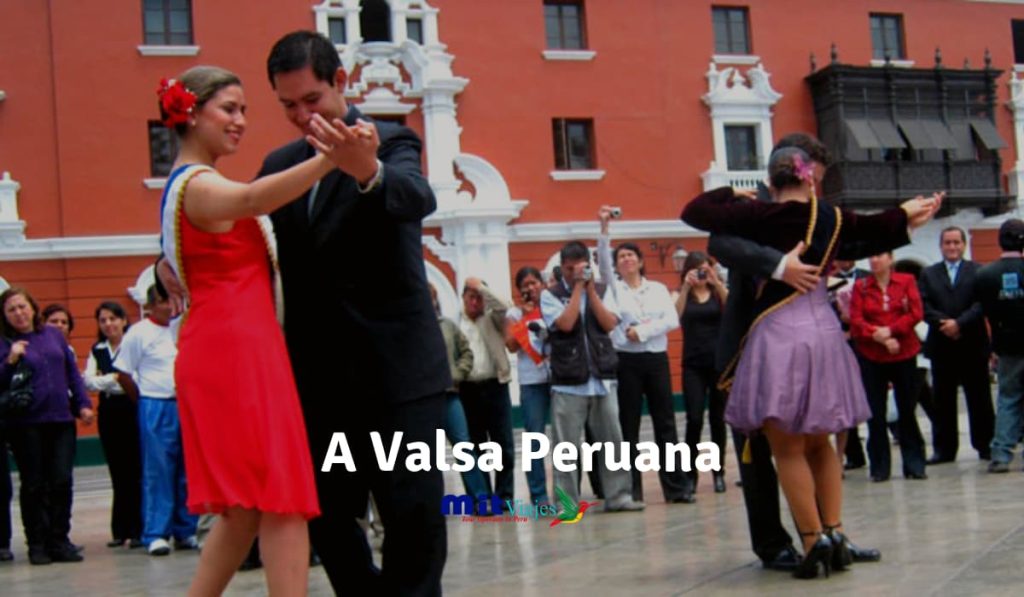
The Peruvian waltz is Lima’s take on the European waltz, with a faster beat, guitar and cajón. It became famous through composers such as Chabuca Granda, who wrote “La flor de la canela.” Creole music is celebrated across Peru every October 31, Creole Song Day.
6. Diablada from Puno
The diablada is the showiest dance of the Feast of the Virgin of Candelaria in Puno, on the shores of Lake Titicaca. Dancers wear huge masks and embroidered costumes representing devils, angels and other characters. The festival takes place in February, brings together thousands of dancers and was inscribed by UNESCO as Intangible Cultural Heritage in 2014. If you’re heading to Puno, see our Lake Titicaca tour.
7. Paucartambo dances (Cusco)
In July, the town of Paucartambo, in the Cusco region, celebrates the Feast of the Virgin of Carmen with masked dance groups such as the Qhapaq Qolla and the Qhapaq Negro, which portray characters from Andean history. It’s one of the most colorful festivals in southern Peru and draws visitors from across the country.
8. Amazonian dances
In the Peruvian rainforest, dances are set to drums, flutes and rattles, and many portray animals, hunting, fishing and the relationship with nature. In cities like Iquitos and Tarapoto, the Feast of San Juan (June 24) is the best time to see them.
Where to see traditional dances in Cusco
- Festivals: Inti Raymi, every June 24, and the whole month of June in Cusco bring parades with dances from across the region.
- Folk shows in the historic center: there are evening performances of Andean music and dance; some are part of the Cusco Tourist Ticket (check when you buy).
- Dinner shows: several restaurants in the center offer dinner with a traditional dance show.
- Andean communities: on community-based tours, visitors are often welcomed with traditional music and dance.
To plan your days in the city, see things to do in Cusco and our Cusco City Tour. If you’d like a festival on your trip, check our Peru itinerary and Peru packages: Mit Viajes can set your dates so you experience Peruvian culture up close.
Frequently asked questions
What is the national dance of Peru?
Peru doesn’t have a single national dance: marinera is the best known on the coast and huayno is the most traditional in the Andes. Both are seen as symbols of Peruvian culture.
What is the traditional dance of Cusco?
In Cusco, huayno is the dance you’ll see most often. At festivals such as Inti Raymi and the Paucartambo feast, there are also masked dances and choreographies from each community.
Which Peruvian dances are recognized by UNESCO?
The scissors dance was inscribed in 2010, and the Feast of the Virgin of Candelaria in Puno, with the diablada and hundreds of dance groups, in 2014.
What instruments are used in Peruvian dances?
In the Andes, quena, siku, charango, harp and violin. On the coast, guitar and the cajón, Peru’s most famous percussion instrument.
When is the best time to see traditional dances in Peru?
February for Candelaria in Puno, June for Inti Raymi and the Cusco festivals, and July for the Paucartambo feast. Outside those dates, there are folk shows year-round in Cusco and Lima.